A relaxed local market with plenty to browse
A good country market offers more than a shopping list: it gives you a chance to meet the people who make what you buy. Balsall Common Country Market brings together local producers selling handmade food and crafts, with a café where visitors can pause for a cuppa and a slice of cake.
The market takes place at Jubilee Hall and is listed as open on the second, third, fourth and fifth Saturdays of each month, from 10am to 12pm. Product choice can change from week to week, so it’s best to think of a visit as a browse rather than a guaranteed hunt for one particular item.
I can’t claim personal experience of visiting; this guide is based on the published market information. I’ll point out where details such as prices or arrangements should be checked before you travel, so you can plan a useful visit without guesswork.
What is Balsall Common Country Market?
Balsall Common Country Market is a co-operative group of local producers and a member of the national Country Markets organisation. Its makers prepare food and create crafts by hand, using quality ingredients and materials. The market is based at The Jubilee Hall in Balsall Common and is described as a social hub for locals and visitors.
That combination makes it different from a typical high-street shopping trip. You can browse food and gifts while speaking directly with the people who make them. If you’re curious about an ingredient, a craft technique or whether a maker could create something to suit your needs, the listing encourages visitors to talk to producers.
The range is deliberately varied: cooks and bakers share space with candle makers and artists. That means one visit might include fresh bread, preserves, knitted goods or artwork, while another may feature a different mix. Some products are seasonal or available only in short runs, so variety is part of the appeal—but it also means the market can’t promise a particular item will be there every time.
Opening times and market dates
The published regular opening hours are 10am to 12pm on the second, third, fourth and fifth Saturday of each month. The first Saturday is not included in that schedule. If you’re arranging a journey around a specific date, check the market’s own social channels or website before setting off, as listings and seasonal plans can change.
| Detail | Published information |
|---|---|
| Regular market days | Second, third, fourth and fifth Saturday of the month |
| Opening hours | 10am–12pm |
| Venue | The Jubilee Hall, Balsall Common |
| Example listed date | Saturday, 26 September 2026 |
The online listing also shows Saturday, 26 September 2026 as a next date. Treat that as a dated listing rather than a guarantee that it is the next market when you read this: dates can become outdated, and the regular schedule is the better starting point.
The two-hour window makes timing worth considering. Arriving earlier may give you more time to browse while the full selection is available, particularly if you’re hoping to find a specific handmade item. If you’d rather take your time over a drink and cake, allow enough of the short opening period for both shopping and a café stop.
Where is the market?
The market is held at The Jubilee Hall, Balsall Common, CV7 7FE. The listing links to a map pin as well as the venue address, which is helpful if you’re driving or using a navigation app. Use the postcode and confirm the route before travelling; don’t rely on a general search for “country market” alone, as similar names can lead to the wrong place.
The available listing does not give detailed information about parking, public transport, step-free access or other facilities. If one of these matters to your visit, contact the organisers or check their current website or social media in advance rather than assuming arrangements. This is especially useful if you’re visiting with a pushchair, have mobility requirements or are travelling from outside the area.
Jubilee Hall is a community venue, so the market’s setting is straightforward rather than a large destination attraction with a full visitor-information service. A little preparation can make the visit easier: check the date, plan your route, and keep the opening hours in mind. If you’re meeting someone, agree a clear meeting point, such as the hall entrance, before you arrive.
What can you buy?
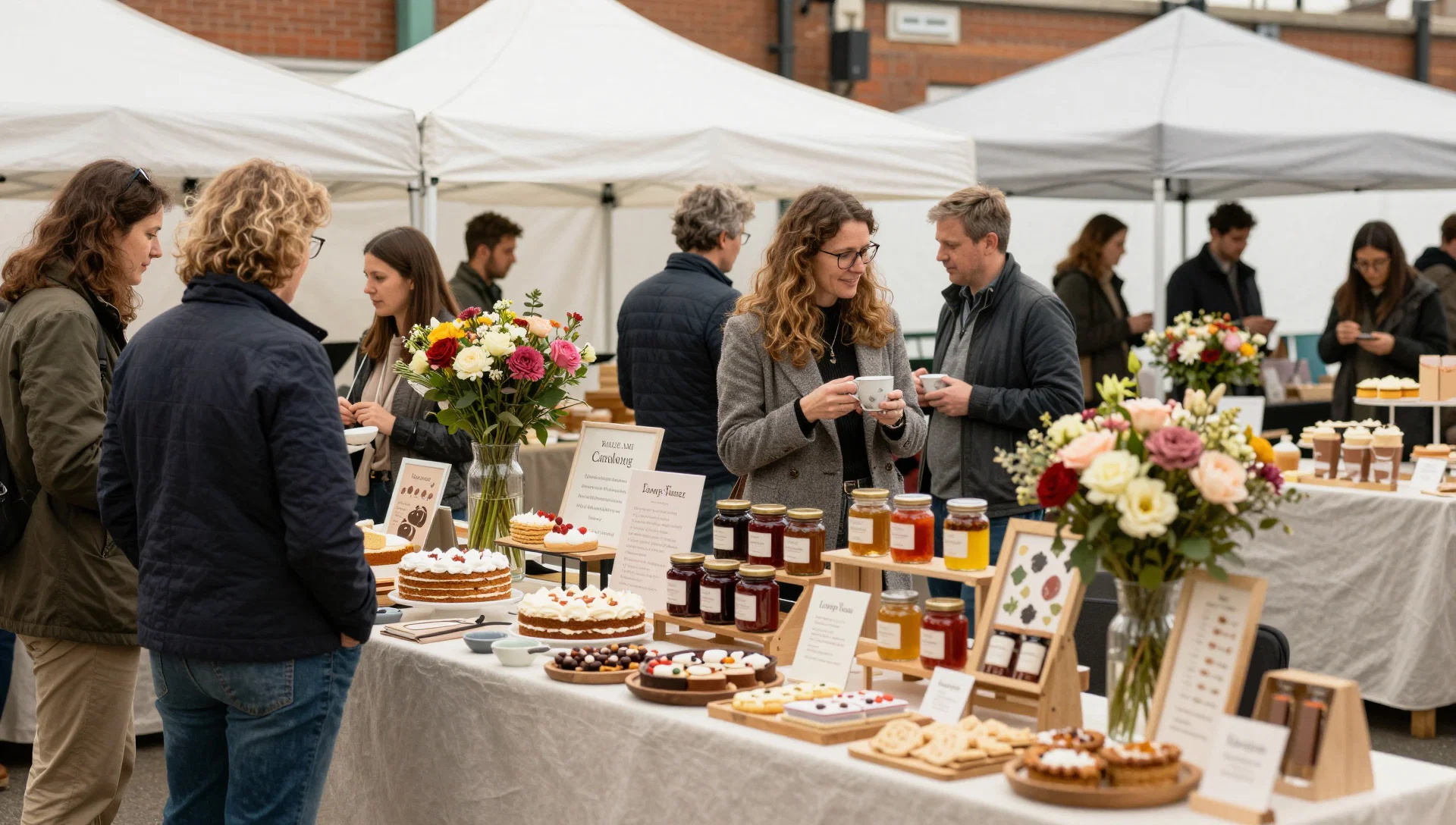
The market’s published examples include freshly cooked cakes and savouries, heat-and-eat meals, fresh bread, preserves, jams and pickles, and local honey. There may also be plants, flowers and vegetables. This gives visitors a useful mix of food for the day, pantry staples and seasonal produce.
Crafts and gifts are part of the offer too. The listing mentions knitted clothes and blankets, cards, crochet gifts, candles, artwork, jewellery, plaques and keyrings. It’s a broad selection, but it should be treated as a guide to the kinds of products producers make—not a fixed inventory for every Saturday. Some items may be seasonal or produced in short runs.
For a practical shopping trip, I’d start with anything you especially want to buy, then browse the rest. If you’re after bread, a particular cake or a gift, ask the relevant producer what is available that day. Bring a reusable bag if you expect to pick up several items. The listing doesn’t specify accepted payment methods, so check ahead if you need to pay by card or prefer not to carry cash.
The café and social hub
The market runs a café at every market, according to its listing. Visitors can get hot or cold drinks, alongside a “Cake of the Week” supplied by one of the producers. The advertised price for a cuppa and cake starts from £2.20. As prices can change, check the latest information on arrival rather than treating that figure as a current guarantee.
The café adds a welcome pause to a short visit. You might browse first, choose a cake and drink, then sit down to catch up with a friend or meet someone new. The organisers describe the café as a social hub, and the combination of handmade products and a relaxed place to talk gives the market a community feel beyond simple buying and selling.
It’s a small-scale café offer, not a full restaurant menu in the published description. The listing confirms drinks and a weekly cake but doesn’t set out dietary, allergen or accessibility details. If you have an allergy or specific dietary requirement, ask the café team or cake producer directly before ordering. That’s the safest way to get accurate information about ingredients and preparation.
Bespoke gifts and one-off finds
A particularly appealing feature is that producers may make bespoke items on request. The listing gives examples of work made during the year, including tablecloths, aprons, personalised decorations and hemmed dresses. If you need something specific, it’s worth speaking to the maker rather than assuming the market only sells what is already on the table.
For a custom order, I’d explain what I have in mind, ask whether the producer can take it on, and agree the details directly. Useful points to clarify include the size, colours or materials, price, collection date and whether a deposit is needed. None of these terms are specified in the market listing, so don’t assume they are standard across different makers.
Handmade and bespoke goods can take longer to produce than mass-made products, and each maker will have their own capacity. That’s part of the charm, but it also means a last-minute request may not be possible. If you’re looking for a personalised present for a birthday or special occasion, start the conversation early. Even if you don’t place an order, talking to the producers can help you understand how their products are made.
How to plan a useful visit
A little planning helps you make the most of the two-hour opening slot. Start by verifying that the market is running on your chosen Saturday, then check the current opening hours and route. If you’re travelling a long way, it’s sensible to confirm details through the market’s linked Facebook page, Instagram account or website.
Here’s a simple pre-visit checklist:
- Check the date: The regular schedule excludes the first Saturday of the month.
- Ask about a must-have item: Product availability can vary, especially for seasonal or short-run goods.
- Confirm practical details: Ask about parking, access or payment if those affect your plans.
- Bring a bag: It’s useful for carrying food, crafts or plants.
- Leave time for the café: The visit may feel more relaxed if you don’t squeeze shopping and refreshments into the final few minutes.
If you’re buying food, follow any storage or reheating instructions supplied by the producer, especially for heat-and-eat meals. For gifts, check whether a handmade item is ready to take home or needs to be made to order. These small questions help avoid disappointment and let you support the makers with confidence.
Pros and cons of visiting
A local market may be just the thing for a relaxed Saturday, but it helps to know what it does—and doesn’t—offer.
Pros
- Handmade variety: The mix can include fresh food, preserves, plants and crafts.
- Direct contact with makers: You can ask questions and enquire about custom work.
- A café on market days: Drinks and Cake of the Week offer a place to pause.
- Community atmosphere: The market is presented as a social hub for residents and visitors.
- A changing selection: Seasonal and short-run goods can make each visit different.
Cons
- Limited opening window: The published hours are only 10am to 12pm.
- Not open every Saturday: The regular schedule covers the second to fifth Saturdays, not the first.
- Stock varies: A specific product may not be available on the day you visit.
- Some visitor details aren’t listed: Parking, payment and access information should be checked separately.
In short, the market is best for people who enjoy browsing and discovering local work. It may be less suitable if you need a guaranteed product, an all-day attraction or a detailed set of facilities without checking in advance.
A simple Saturday visit plan
For a calm visit, check the market’s channels before leaving home, especially if the date is close to a bank holiday or a seasonal period. Aim to arrive with enough time to browse before 12pm. If you’ve come for a specific item, look for that first or ask a producer; then take a slower look at the other stalls.
You could pick up bread or preserves, browse handmade gifts and plants, and then take a break with a hot drink and Cake of the Week. If you’re visiting with a friend, the café gives you a natural place to meet and catch up. If you’re shopping for a present, keep an eye out for cards, jewellery, candles and personalised items, but remember that the selection can differ each time.
Before heading home, ask about custom orders if you’ve seen something you’d like made in another size or style. A short chat can tell you whether it’s possible and what to do next. That mix of browsing, conversation and a simple café stop is a good fit for the market’s stated purpose as both a place to buy local goods and a place to meet people.
Frequently asked questions
When is Balsall Common Country Market open?
The published regular schedule is the second, third, fourth and fifth Saturday of each month, from 10am to 12pm. Check the market’s current channels before travelling in case a date or opening arrangement has changed.
Where is the market held?
It takes place at The Jubilee Hall, Balsall Common, CV7 7FE. Use the postcode or the linked map for directions, and contact the organisers if you need specific travel or access information.
Is the market open on the first Saturday of the month?
The published regular hours do not include the first Saturday. The listed market days are the second, third, fourth and fifth Saturdays, so check the latest schedule before planning a visit.
What can I buy at the market?
Examples include cakes, savouries, bread, heat-and-eat meals, preserves, honey, plants, knitted items, candles, cards, artwork and jewellery. Availability varies because products may be seasonal or made in short runs.
Is there a café?
Yes. The listing says the market runs a café at every market, with hot and cold drinks and a “Cake of the Week”. The listed cuppa-and-cake price starts from £2.20, but check the current price on the day.
Can I request a custom-made item?
The listing says producers make bespoke items on request and gives examples such as tablecloths, aprons and personalised decorations. Speak directly with the relevant maker to discuss what’s possible, timings and price.
Do I need to book or pay to enter?
The published information doesn’t specify entry charges, bookings or payment methods. Contact the organisers or check their current channels if you need to confirm these details before visiting.
Conclusion: a friendly local find
Balsall Common Country Market brings local food producers and craftspeople together at Jubilee Hall, with a café that makes it easy to turn a quick shop into a social Saturday morning. The key details are simple: the market is listed for the second to fifth Saturdays of the month, from 10am to 12pm, and the range of goods can change from week to week.
Check the date before travelling, ask makers about special requests and verify any practical details that matter to you. Go with an open mind, and you may find fresh food, a thoughtful handmade gift or just a good excuse to share a cuppa and cake.