Introduction
If you want to see a more intimate side of Coventry, hales street coventry is an excellent place to begin. This historic city-centre area sits beside The Burges, one of the few traditional high street environments still surviving in Coventry.
What makes the area appealing is its layered history. Medieval plots, Victorian road building, wartime damage and modern heritage restoration can all be understood within a relatively compact walk. I particularly like places where the past is not confined to a museum. Here, it appears in street layouts, narrow lanes, shopfronts, bridges and the shape of the buildings around you.
This guide explains what makes Hales Street and The Burges significant, what to look for, how to plan a self-guided heritage walk and why the recent restoration matters. Whether you are a local resident, a history enthusiast or a visitor exploring Coventry for the first time, the area offers plenty to notice.
What Are Hales Street and The Burges?
The Burges is a medieval street that once ran northwards from Coventry’s marketplace. Hales Street, by contrast, was created in 1848. Although they have different origins, they form part of the same historic area and are often explored together.
The Burges probably takes its name from “Between the Bridges”, a description first recorded in 1223. Historically, one bridge crossed the Radford Brook to the north, while another crossed the River Sherbourne to the south. The area was known as St John’s Bridge from the early fourteenth century and became known as The Burges from the 1860s.
The street’s importance is not only about individual buildings. Its layout reflects medieval urban planning. Historic maps show long, narrow burgage plots running back from the main street. Shops and houses faced the marketplace, while workshops, gardens and outbuildings occupied the land behind them.
Today, this surviving pattern helps visitors understand how a medieval commercial street worked. The area is also connected with Lady Herbert’s Garden and sits within The Burges Conservation Area. Many buildings are locally listed, giving the streetscape additional heritage value even where individual properties are not nationally listed.
A Short History of the Area
The history of this part of Coventry is best understood as a series of changes rather than one uninterrupted story.
| Period | Important development |
|---|---|
| 1223 | “Between the Bridges” is first documented, probably giving The Burges its name |
| 1225 | Palmer Lane is recorded as a route associated with pilgrims |
| Early 1300s | The area is known as St John’s Bridge |
| 1794 | The Burges is widened and eastern shopfronts are rebuilt in brick |
| Around 1800 | The library wing of the Old Grammar School is demolished |
| 1848 | Hales Street is created and former gardens are lost |
| 1930s | Road improvements lead to major demolition for Trinity Street |
| 1939–45 | Air raids damage several buildings |
| 2019–21 | A major heritage-led repair and restoration project takes place |
One of the most interesting details is Palmer Lane. Its name comes from the palms carried as Christian symbols by pilgrims. The lane provided lodging for pilgrims visiting St Mary’s Priory, and it contains the only visible stretch of the River Sherbourne, which is otherwise culverted.
The area changed significantly during the Georgian and Victorian periods. Widening The Burges in 1794 meant that some older buildings were hidden behind new brick façades. Later, Hales Street was constructed across land associated with the Old Grammar School. In the twentieth century, road improvements removed much of the western side of The Burges and the timber-framed buildings of Butcher Row.
Why hales street coventry Deserves Special Attention
Hales Street deserves attention because it shows how Coventry adapted to pressure from growth, transport and changing commercial needs. Its creation in 1848 was part of a wider transformation of the city, but it also altered the historic setting around the Old Grammar School and its gardens.
When I look at a historic street, I find it useful to ask two questions: what survives, and what has disappeared? On Hales Street, both answers matter. Surviving buildings and restored façades reveal the character of the old city. The route itself also hints at lost gardens, demolished structures and changing traffic patterns.
The area is valuable for several reasons:
- It links different periods of Coventry’s history, from medieval development to Victorian urban planning.
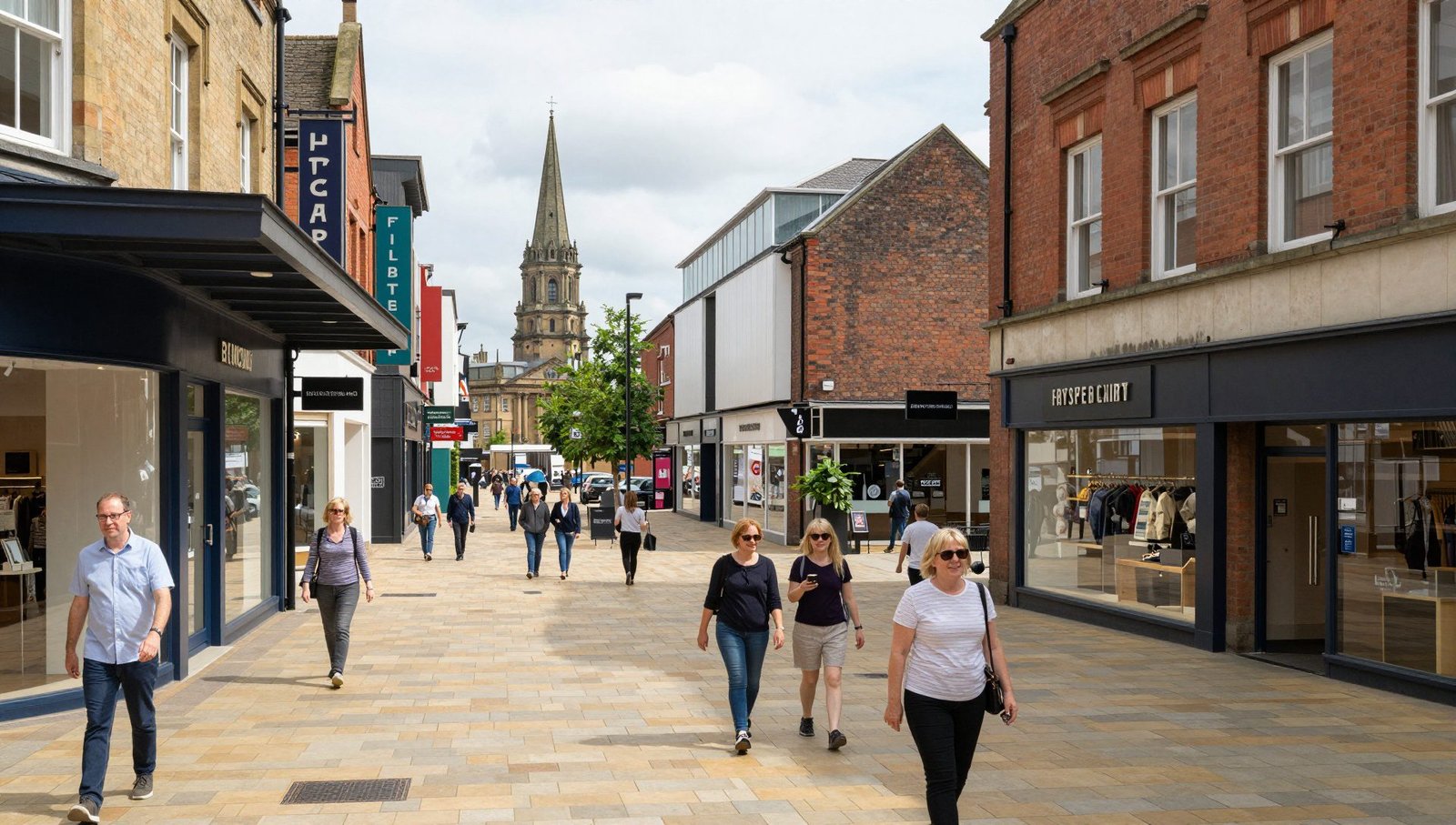
- It retains traditional high street character, including historic shopfronts and older building forms.
- It helps explain the impact of road improvements, particularly the changes made during the 1930s.
- It connects to important local landmarks, including Palmer Lane, Lady Herbert’s Garden and the Old Grammar School.
- It demonstrates conservation in practice, rather than presenting history as something frozen in time.
The result is not a perfectly preserved medieval street. In fact, its mixture of old and new is part of its interest. The area has been altered repeatedly, yet enough historic evidence remains to make the street pattern meaningful.
Things to See on a Heritage Walk
A good visit does not require a packed schedule. I would allow time to slow down and examine details that are easy to miss when crossing the city centre.
Restored shopfronts and façades
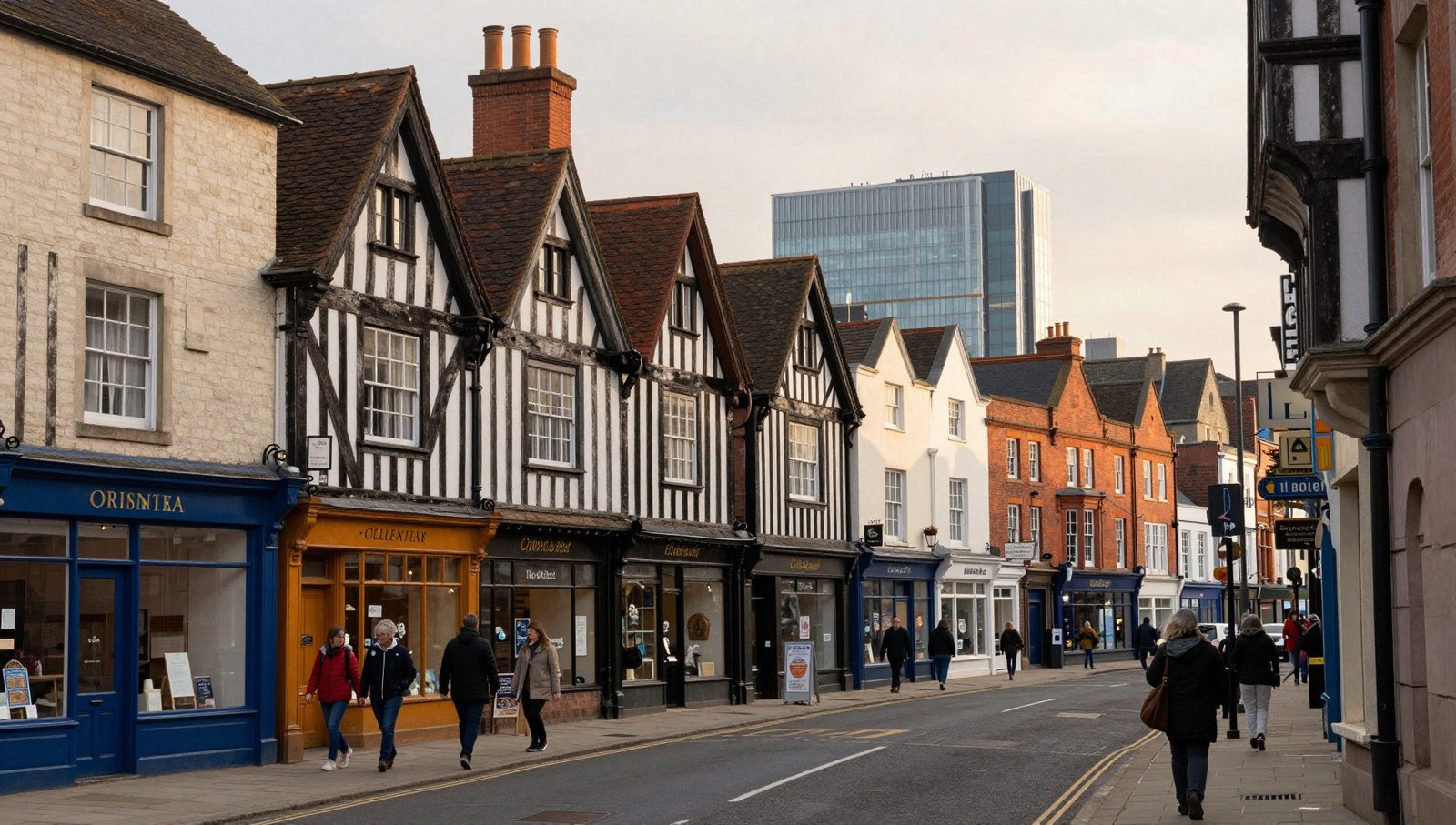
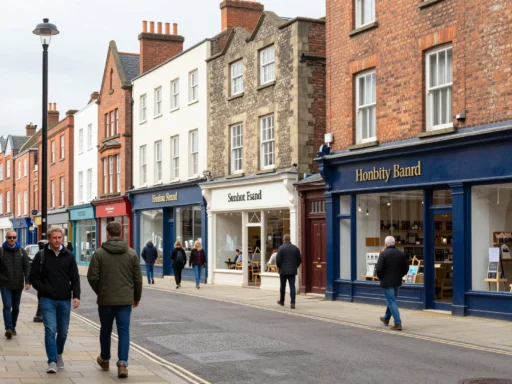
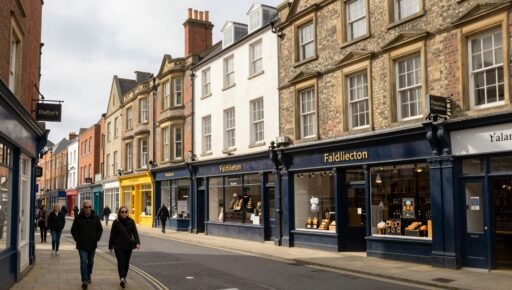
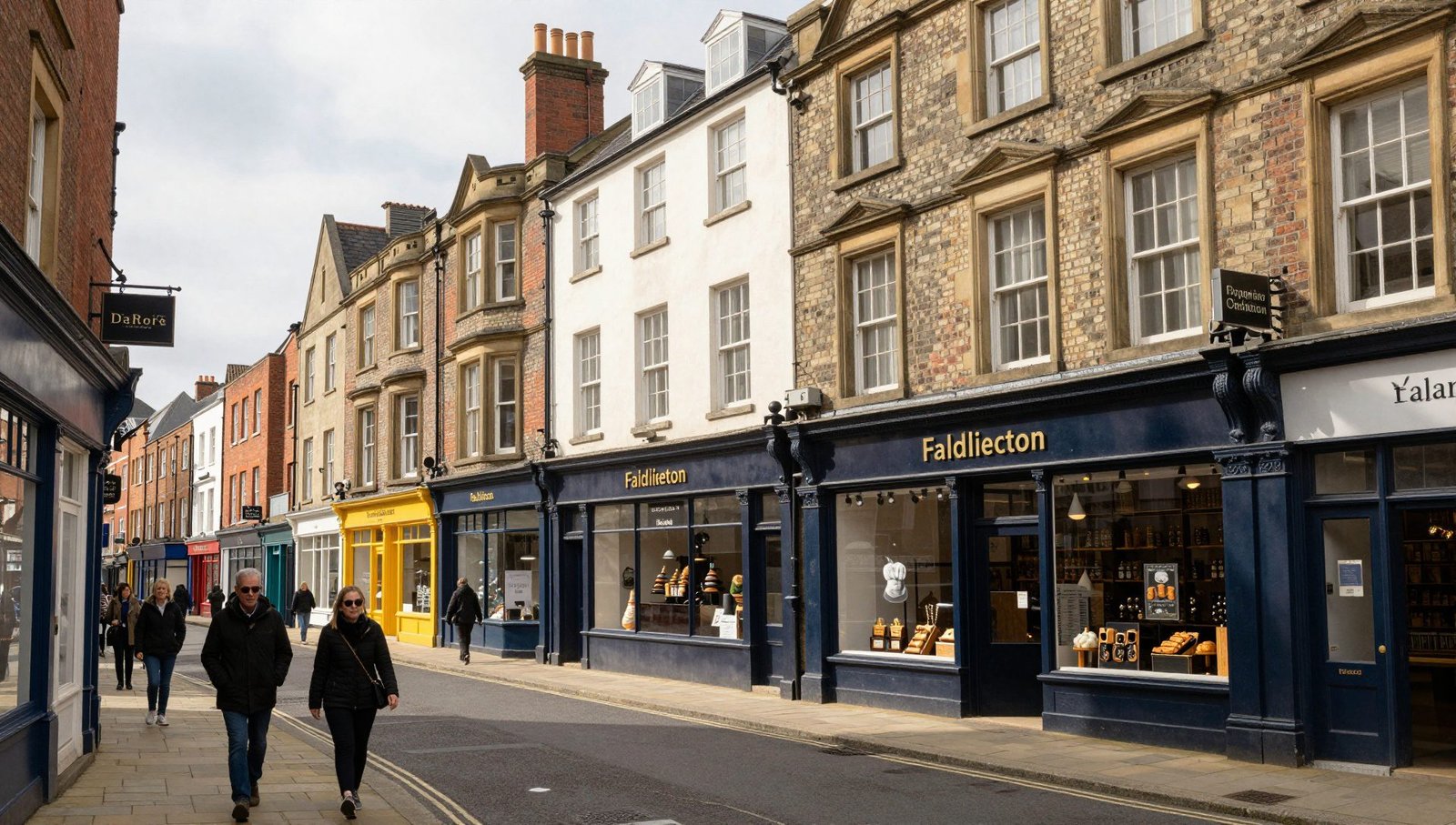
Look closely at the relationship between upper floors, windows and ground-floor businesses. Historic shopfronts can reveal how retail design has changed over time. The recent restoration included repaired historic shopfronts, new shopfronts based on traditional designs and the replacement of unsuitable modern elements.
Traditional windows and roofs
The restoration programme included new roofs and restored sash windows. These features may seem modest, but they strongly influence the character of a historic street. Windows often provide clues about a building’s age, status and later alterations.
Palmer Lane
Palmer Lane is one of the most atmospheric parts of the area. Its name recalls medieval pilgrims, while the visible River Sherbourne provides a physical reminder of the watercourses that shaped Coventry’s early development.
Lady Herbert’s Garden
The Burges and its buildings sit within Lady Herbert’s Garden and The Burges Conservation Area. The garden provides a useful contrast to the busy commercial street, offering a greener setting from which to appreciate the surrounding heritage.
The Old Grammar School area
The Old Grammar School is important to the story of the area, even though parts of its former setting have changed. The library wing was demolished around 1800, and the gardens were later affected by the construction of Hales Street.
A Simple Self-Guided Walking Route
For a manageable heritage walk, I would use the following sequence:
- Begin near Coventry’s historic marketplace, where The Burges originally began.
- Walk along The Burges, observing the building plots, shopfronts and upper floors.
- Pause around Palmer Lane to consider the medieval pilgrimage connection and the River Sherbourne.
- Continue towards Hales Street, looking for the contrast between the older street and the later road.
- Explore the surroundings of Lady Herbert’s Garden for a quieter view of the conservation area.
- Finish near the Old Grammar School and central Coventry attractions, depending on your available time.
This route can take less than an hour if you walk continuously, but I would allow longer if you enjoy photography, architecture or local history. The best approach is to combine broad observations with small details: a change in brickwork, an awkward building line or a surviving narrow passage may reveal more than a grand landmark.
| Visitor type | Suggested approach |
|---|---|
| First-time visitor | Follow The Burges, Palmer Lane and Hales Street |
| Architecture enthusiast | Focus on façades, windows, roofs and shopfronts |
| Family visitor | Keep the route short and combine it with gardens or nearby attractions |
| Photographer | Visit during softer morning or late-afternoon light |
| Local history enthusiast | Use historic maps or a guided tour alongside the walk |
Self-Guided Walk or Guided Tour?
Both approaches have advantages, and the right choice depends on how deeply you want to explore.
| Option | Advantages | Possible limitations |
|---|---|---|
| Self-guided walk | Flexible, inexpensive and easy to fit around shopping or sightseeing | You may miss hidden stories or access restrictions |
| Guided heritage tour | Offers expert interpretation and local anecdotes | Dates, costs and availability can vary |
| Photography visit | Encourages close attention to architectural details | Busy periods may make clear photographs difficult |
| Casual stroll | Relaxed and suitable for a short visit | Provides less historical context |
Pros
- Easy to combine with other Coventry attractions.
- Compact enough for a short city-centre visit.
- Strong mixture of medieval, Victorian and modern history.
- Good opportunities for architectural photography.
- No need to treat the area as a formal museum visit.
Cons
- It is a working commercial area, so it may be busy.
- Some historic buildings are viewed from public streets only.
- Modern traffic and development can interrupt the historic atmosphere.
- Heritage information may not be available at every building.
- Access, business opening times and events can change.
A self-guided walk is usually the best starting point. If the history captures your imagination, a local guide or archival research can add another layer afterwards.
Practical Tips for Visiting
The Burges and Hales Street are urban streets rather than a single ticketed attraction. That makes planning fairly simple, but a little preparation improves the experience.
Wear comfortable footwear because the most rewarding visit involves walking slowly and stopping frequently. I would also check current city-centre travel information before setting out, particularly if you are arriving by car or during an event. Parking, road layouts and pedestrian access can change.
For photography, early morning or late afternoon often gives softer light and fewer people. However, a busier daytime visit can help you appreciate the area as a living high street rather than a quiet historic display.
Keep these points in mind:
- Check opening times for nearby gardens, museums and attractions.
- Respect businesses and avoid blocking doorways while taking photographs.
- Look up rather than focusing only on ground-floor shops.
- Bring a phone or notebook to record architectural details.
- Consider using historic maps to compare past and present layouts.
- Allow extra time if you plan to visit the wider Coventry city centre.
The area is also suitable for combining heritage with food, shopping and cultural attractions. That balance is important: conservation works best when historic buildings continue to support everyday city life.
Why the Restoration Matters
By 2019, many buildings in the area were in poor condition. Modern shopfronts, replacement windows and external security shutters had weakened the historic appearance of the street. The restoration project aimed to repair buildings while keeping them useful for contemporary businesses.
In May 2019, Historic England provided a £2 million grant to support regeneration, alongside existing funding from Coventry City Council. The project became the national demonstrator for Historic England’s £93 million High Street Heritage Action Zone programme.
Work began on site in February 2020. The scheme included repaired roofs, restored sash windows, repaired historic shopfronts and new shopfronts using traditional designs and materials. At least seven businesses also invested in major internal refurbishment.
This is important because a high street cannot survive on appearance alone. Attractive façades are valuable, but occupied buildings, functioning businesses and well-maintained interiors are equally important. The project shows the practical side of heritage conservation: repairing the past while making room for present-day use.
Frequently Asked Questions
Is Hales Street the same as The Burges?
No. Hales Street was created in 1848, while The Burges is a medieval street with a much earlier history. They form part of the same historic area and are best explored together.
Why is The Burges called The Burges?
The name probably derives from “Between the Bridges”, which was first documented in 1223. Historically, bridges crossed the Radford Brook and the River Sherbourne at either end of the street.
What is the significance of Palmer Lane?
Palmer Lane is associated with medieval pilgrims who visited St Mary’s Priory. “Palmer” refers to the palms carried by pilgrims as Christian symbols. The lane also contains the only visible stretch of the River Sherbourne.
Can I visit Hales Street without joining a tour?
Yes. The area is a public city-centre street, so you can explore it independently. A guided tour may provide more detail, but a self-guided walk is a practical and flexible option.
How long should I spend in the area?
Allow at least 45 minutes for a focused walk. If you want to take photographs, visit nearby gardens or combine the route with other Coventry attractions, plan for two hours or more.
What changed during the restoration project?
The project included new roofs, restored sash windows, repaired historic shopfronts and new shopfronts based on traditional designs. Several businesses also refurbished their interiors.
Is the area suitable for families?
Yes, particularly as part of a wider city-centre visit. Keep the walking route manageable, take care around traffic and combine the historic streets with gardens or nearby family-friendly attractions.
Conclusion
Hales Street and The Burges offer a compact but remarkably rich introduction to Coventry’s history. Medieval burgage plots, pilgrimage routes, Victorian development, wartime damage and modern conservation can all be connected through one city-centre walk.
I recommend taking your time, looking above the shopfronts and using Palmer Lane and Lady Herbert’s Garden to understand the area beyond its busy streets. The recent restoration also demonstrates why historic high streets matter: they can preserve local identity while continuing to support modern businesses.
For a rewarding heritage experience, combine hales street coventry with The Burges, the River Sherbourne and Coventry’s nearby cultural attractions. It is a small area with a long story—and well worth a closer look.